The first time I watched a patient realize her “stress line” softened for the first time in a decade, she didn’t comment on looking younger. She said she finally looked like how she felt on the inside, rested and approachable. That is the botox clinics in NC real promise of Botox: not a frozen mask, but the option to edit how certain muscles write on your face. If you are thinking about your first appointment or trying to refine your results, this planning guide will help you map goals, time your sessions, and choose a provider with the right eye and hand for your face.
What Botox Actually Changes, In Real Life
A quick primer without fluff. Botulinum toxin type A temporarily relaxes targeted muscles. In cosmetic use, that usually means the corrugators and procerus between the brows, the frontalis across the forehead, and the orbicularis oculi around the eyes. When those muscles relax, the skin that tented or folded over them smooths. The effect is most visible on expression lines, not on lines etched at rest from sun, sleep, or volume loss. That distinction shapes everything from your goals to your budget.
Here is the part people often miss: your face is a team of muscles that push and pull in balance. The injector’s job is less “stop movement,” more “rebalance forces.” So does Botox change expressions? Yes, and the point is to refine them, not erase them. A well-planned treatment softens the “angry 11s,” keeps your brows lifting without peaking into Spock territory, and reduces crow’s feet while preserving a natural smile crinkle. The smoothing effect should look like better lighting in a photo rather than a filter.
How long those changes last depends on dosage, placement precision, muscle strength, lifestyle, and metabolism variations. Most patients see onset in 2 to 5 days, peak at 10 to 14 days, and gradual fade by 10 to 14 weeks. Some hold closer to 16 weeks, a few closer to 8. The outliers often have highly expressive foreheads, intense workouts, speedy metabolisms, or under-dosing relative to their muscle bulk.
Defining Goals You Can Actually Measure
“Look less tired,” “appear less stern,” “smoother skin texture,” and “lift the tail of my brow slightly” are useful goals. “Look 10 years younger” is not. The best Botox planning starts with specific priorities mapped to muscles and realistic expectations vs reality. Try taking a neutral selfie and a few expression shots in good daylight: frown, raise brows, smile big. Mark three things you want to change, and one thing you refuse to sacrifice. For example, you might want softer 11s, smoother lateral crow’s feet, and a subtle contour to the forehead without losing the ability to lift your brows during presentations. That last part protects your professional appearance and avoids the heavy, flat forehead people fear.
For patients in their early 40s, especially those juggling work stress and screen time, I often treat glabellar lines as the priority. Softening the “emotional wrinkles” that signal irritation or fatigue delivers outsized confidence returns. If texture is a concern, Botox won’t resurface the skin, but it indirectly smooths the look of expression-created creases. Pairing treatments becomes relevant here: tiny doses for the pores and sheen of the forehead are better addressed with skincare habits after Botox, chemical peels, or light energy devices. You want Botox for expression lines and symmetry improvement, then other tools for overall glow.
Is Botox Right For Me? A Straight Answer
Ask yourself three questions. First, do your lines improve when you stretch or smooth the skin with your fingers? If yes, Botox can help. Second, do you want subtle improvements rather than dramatic change? Botox excels at quietly refining. Third, can you commit to maintenance every 3 to 4 months, or at least twice a year? Botox temporary results require a cycle to maintain. If your schedule or budget can’t support that, you may want to plan for milestone events instead of ongoing upkeep.
When to avoid Botox matters. Absolute contraindications include active infection at the injection sites, known allergy to any component of the product, and certain neuromuscular disorders that increase risk. Relative cautions include pregnancy, breastfeeding, recent facial surgery, and unrealistic expectations. If you are prone to eyelid droop from allergies or sleep deprivation, communicate that; the injector can adjust mapping and dosage to reduce risk. Signs of overuse show up as flattened affect, a brow that no longer lifts, or a too-smooth forehead that doesn’t match the rest of the face. Moderation keeps your features expressive.
What Happens During a Thoughtful Botox Consultation
A real consultation goes beyond counting units. An experienced injector studies your face at rest and in motion, notes asymmetries, and watches how you animate while talking. I ask what feedback you get from others. If colleagues say you look worried even when you are not, those glabellar muscles are loud. If photos show one brow higher in every shot, we plan for aesthetic balancing using small dose differences.
Understanding Botox units helps you weigh quotes and choose value over a bargain. Units are standardized per brand. Average cosmetic dosing ranges might be 10 to 25 units between the brows, 6 to 20 across the forehead, and 6 to 24 around the eyes, scaled to your anatomy and goals. Smaller foreheads and lighter muscle activity use fewer units. Men, heavy lifters, and expressive speakers often require more. Beware of pricing by area that quietly under-doses. Under-dosing can look great for two weeks, then fades by week six.
Product differences exist among brands like Botox Cosmetic, Dysport, Xeomin, Jeuveau, and Daxxify. They all share the core toxin but vary in accessory proteins, diffusion patterns, and onset times. Dysport sometimes kicks in a day sooner for some, Daxxify can last longer in the glabella for select patients, and Xeomin offers a “naked” toxin without complexing proteins. None is universally best. The injector’s technique and their familiarity with a given product often matter more than the label.
The First Appointment: What It Looks Like and What You Feel
A typical visit runs 20 to 40 minutes, with the procedure itself taking only a few minutes. After photos, mapping with a cosmetic pencil marks injection points. You may feel quick pinpricks and a bit of pressure. Most patients describe the sensation as sharp but brief, like a rubber band snap. If you are needle-averse, ask for a vibrating distraction device, a cold pack, or a topical anesthetic, although topical cream is usually unnecessary. I prefer a clean, dry skin surface without heavy anesthetic creams that can obscure muscle movement.
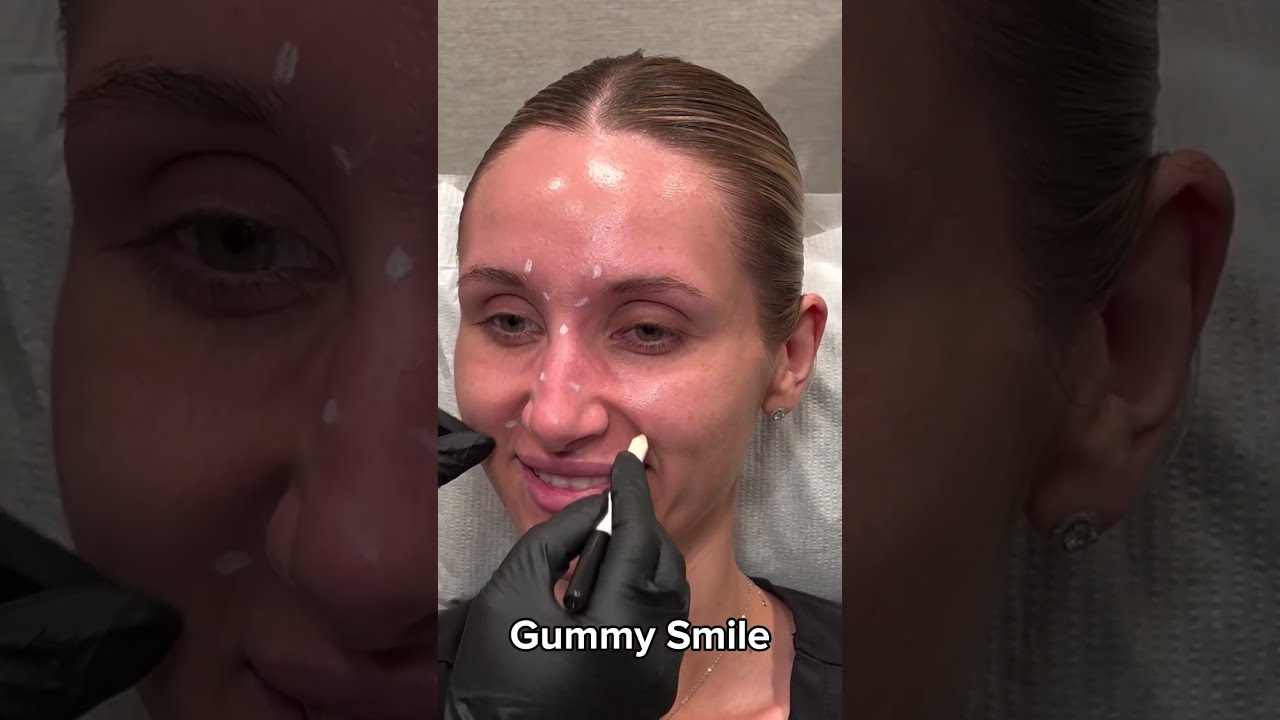
Expect a few pink bumps that settle within an hour and the possibility of pinpoint bruising, especially if you take fish oil, vitamin E, or aspirin. Schedule smartly if you have camera time within 48 hours. Makeup can be applied gently after a couple of hours, but avoid aggressive rubbing that day.
Timing Strategy: When to Book and How to Maintain
The best time to get Botox depends on your life rhythm. For weddings, media appearances, or important meetings, schedule the appointment two to three weeks ahead to allow for full onset and a quick tweak if needed. For seasonal timing, heavy sweaters often prefer cooler months when hats and workouts feel less intense, which can help with longevity. That said, I have many patients who plan around the school calendar: late August, early December, late March, then a summer top-up before travel.
A smart maintenance schedule considers your personal fade pattern. Some people feel crisp at eight weeks, softer at ten, and back to baseline by twelve. If you want consistently smooth results, plan your treatment cycle before you notice full return of movement. Waiting until lines are etched again means you are always playing catch-up. If your budget favors fewer visits, focus on the glabella for emotional impact and allow mild forehead lift lines to show a bit between sessions.
Budgeting Without Guesswork
Think of Botox as a beauty investment with a predictable cadence. Costs vary by city, injector expertise, and brand. Many clinics price by unit; others by area. If your goal is subtle results that last close to three to four Charlotte NC botox months, under-dosing to save money today often costs more when you redo early. A realistic plan might be 30 to 60 units per session, repeated three times per year. Multiply the per-unit cost to set an annual budget. Build a small buffer for occasional touch-ups after your two-week check. Saving for Botox is easier when you set aside a set amount monthly rather than absorbing a larger bill on treatment day.
One note for beginners: avoid chasing “Botox deals” that discount heavily and push high-volume days. Precision takes time. The cheapest syringe in town can be the most expensive if you spend the next three months hating your eyebrow shape.
Choosing a Provider: How to Interview and Decide
A portfolio tells only part of the story; you need to evaluate judgment. Look for an injector who speaks in trade-offs rather than absolutes, explains why they would place or avoid certain points, and can show consistent before-and-after photos with natural movement. Technique differences matter. Some injectors fan microdroplets for feathered smoothing, others favor fewer, deeper points for stronger muscles. Both approaches work when matched to the right face.
Ask how they handle asymmetry, what their plan is if a brow droop occurs, and whether they offer a follow-up visit at two weeks. Inquire about their mapping strategy for your forehead height and brow position. A high forehead with a strong frontalis requires a different pattern than a short forehead with a low-set brow. Choosing a Botox provider comes down to skill, an aesthetic that matches yours, and a consultative style that invites your input.
The Appointment Checklist, Short and Practical
- Stop non-essential blood-thinning supplements like fish oil and high-dose vitamin E for about a week if cleared by your doctor. Avoid heavy alcohol the night before. Arrive with clean skin, no heavy makeup or oil-based products on the treatment areas. Bring a list of medications and any history of eyelid droop, migraines, or prior cosmetic treatments. Be prepared to animate on command: frown, raise brows, smile. Your injector needs to see your baseline. Book your two-week check before you leave, especially for your first session or a new injector.
How to Prepare Your Skin and Lifestyle for Better Results
Warm, hydrated skin handles injections well. You don’t need a spa facial on the same day, but having a steady skincare routine for a few weeks helps. After treatment, skip strenuous workouts, hot yoga, and saunas for the rest of the day. Keep your head upright for several hours and avoid facial massages or tight headwear that presses on the treatment zones. These post-care mistakes are easy to prevent and can reduce the chance of product migrating to places you do not want.
Skincare habits after Botox should support barrier health and light exfoliation. Think gentle cleanser, vitamin C in the morning, sunscreen every day, and a peptide or light retinoid at night if your skin tolerates it. If you are pairing treatments, give a few days between Botox and deeper facials. Energy devices and microneedling work beautifully with Botox, but sequence them intelligently: neuromodulator first, then collagen-stimulating treatments once the injections have settled.
The Two-Week Window: What To Expect and What To Watch
Day two to three often brings the first hint of change. By day seven, most patients see a calmer resting face and less effort needed to avoid a furrow while reading emails. At two weeks, the results are “it is what it is.” That is the time to evaluate symmetry, brow position, and whether a little more smoothing would help without over-flattening. The most common tweak is a small dose to lift the lateral brow or a touch more in the 11s if a single stubborn crease still lines up when you frown.
Recovery expectations are modest: a few tiny bruises can occur, especially near the crow’s feet. Mild headache happens in a small proportion, usually within the first day or two. Heavy brows indicate over-treatment or a mapping pattern that ignored your natural brow set. A good injector will adjust next time and may offer a small counter-dose above the lateral brow to relieve heaviness if appropriate.
Longevity Secrets That Actually Hold Up
You cannot change your metabolism, but you can stack small advantages. Consistency is the biggest one. Muscles that stay relaxed most of the year learn that pattern, and many patients find they need fewer units over time to hold results. Strategic dosing matters too. Avoid tiny “sprinkles” in a strong glabella that wear off fast. Use enough units to fully quiet the target, then feather surrounding areas for harmony.
Your daily life plays a role. High-intensity training and frequent sauna sessions can edge results shorter. That does not mean stop training. It means set expectations and consider a slightly earlier maintenance interval. Good sleep and sun protection reduce the etching that forms when skin is repeatedly folded. Skin quality sets the canvas for Botox to look its best.
Myths, Facts, and the Emotional Side
A common myth claims Botox prevents you from feeling your emotions. What actually happens is you cannot display certain expressions as strongly, especially frowns. For many professionals, that is the goal: reduce miscommunication in high-stakes conversations. Another myth says starting young creates dependence. There is no physiological dependence, only preference for the smoothed look. Taking a break simply lets movement return. If you worry about looking “done,” ask for Botox for subtle improvements, and plan to keep some motion. Small doses placed with intention can give visible improvements without announcing themselves.
The emotional impact is real. Patients who carry stress lines often report that softening them changes their interactions. The boss reads them as calm. Their kids stop asking if they are upset. Confidence builds not from chasing perfection, but from aligning how you look with how you feel. That alignment is where Botox fits into a holistic skincare and self-care plan.
Trends, Research, and Where Botox Is Headed
Botox in aesthetics has evolved far beyond the frozen look of early 2000s celebrity photos. The modern beauty standard favors movement with polish. Microdosing and injection mapping tailored to micro-anatomy are rising, as are combination treatments that address texture and pigment separate from muscle action. The stigma is fading as more people share Botox patient stories that show subtle results rather than dramatic transformations.
Industry advancements include longer-acting formulations that may extend intervals for certain areas and refined dilution strategies to control diffusion. New botox research continues to study duration factors and body reactions, including minor variations in onset and longevity linked to muscle fiber type and individual metabolism. Product differences continue to matter less than the injector’s plan, but staying aware of updates helps when you plateau on a brand.
Pairing Botox With Other Choices You Make Daily
Diet will not change how toxins bind at the neuromuscular junction, but hydration and stable weight help skin optics and rhythm. The best pairing is a consistent sunscreen habit and a retinoid, which target the lines etched at rest that Botox cannot erase. If volume loss contributes to a shadow that reads as tired, a tiny filler correction or biostimulator can complement without overfilling. Think of Botox as a lever for muscle-caused lines, then pull other levers selectively: skincare for texture, energy devices for collagen, and lifestyle for maintenance.
A Realistic Plan for Your 40s
Faces in their forties begin to show structural shifts: fat pads descend a touch, bone resorption subtly widens the orbital area, and skin organization thins. Botox still shines here, but it has to be more thoughtful. Over-relaxing a forehead in someone who relies on it to lift a low-set brow can make the upper lids look heavy. Better to treat the glabella fully and the forehead lightly, preserving lift. Crow’s feet dosing can be conservative if you cherish a smile crinkle, or slightly stronger if photos show accordion lines that distract.
For many in this decade, a maintenance schedule of three sessions a year keeps things steady. If you want extra polish for holidays or big presentations, add a fourth microtop-up. Layer gentle resurfacing once or twice a year, and you have a Botox beauty routine that looks like you, well rested.
The Subtle Art of Symmetry
No face is symmetrical, and chasing perfect symmetry can lead to over-treatment. The goal is aesthetic balancing: letting the higher eyebrow remain a touch higher, but calming the sharper downturn at the corners of the mouth if that bothers you. Around the eyes, one side usually crinkles more. Small unit differences, not equal doses, produce equal-looking results. This is where injector skill separates okay results from great ones.
Common Worries, Answered Briefly
Bruising happens sometimes. Plan important photos at least a week after. Headaches can be mitigated with hydration and a normal dose of an approved over-the-counter pain reliever if needed. Droopy eyelid is uncommon when maps avoid risky diffusion zones and post-care is followed. It resolves as the product fades, but the best strategy is prevention: correct placement, adequate spacing from the levator, and avoiding rubbing or pressure for the first day.
Will you look fake? Not if you set modest goals and your injector edits, rather than silences, movement. Will you have to keep doing it forever? Only if you want the effect to persist. Botox temporary results fade on their own.
A Short Map From First Step to First Result
- Define one to three goals and one non-negotiable expression to preserve, then take reference photos. Vet providers by technique explanations and movement-respecting results, not by price alone. Plan timing two to three weeks ahead of events and expect full effect by day fourteen. Budget for three sessions a year, with unit counts tailored to your anatomy and goals. Keep post-care simple on day one, then return to normal skincare with sunscreen and a light retinoid.
Final Perspective: Treat It Like Editing, Not Erasing
The best Botox experience feels like a quiet course correction. People stop asking if you are tired, your makeup sits more evenly, and your reflection matches your mood on a good day. That result comes from clear goals, honest conversation during a Botox consultation, a provider who values precision, and a maintenance plan that respects your lifestyle and budget. Whether you are a beginner with first-time fears or refining a long-standing routine, approach Botox as a planning guide for your face over time, not a one-off event. Start with intent, proceed with moderation, and measure success by how comfortably you wear your expressions in daily life.